What Is Stage 1 Invasive Ductal Carcinoma
Light colored stool or dark urine may also occur. Invasive ductal carcinoma is the most common type of breast cancer 70-80 percent of all breast cancers.
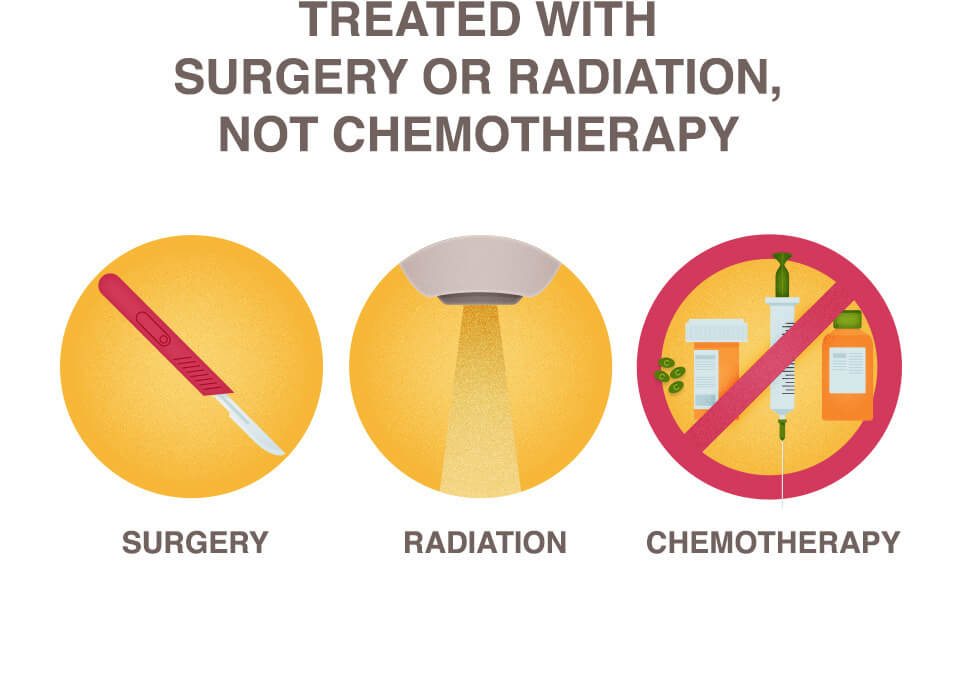
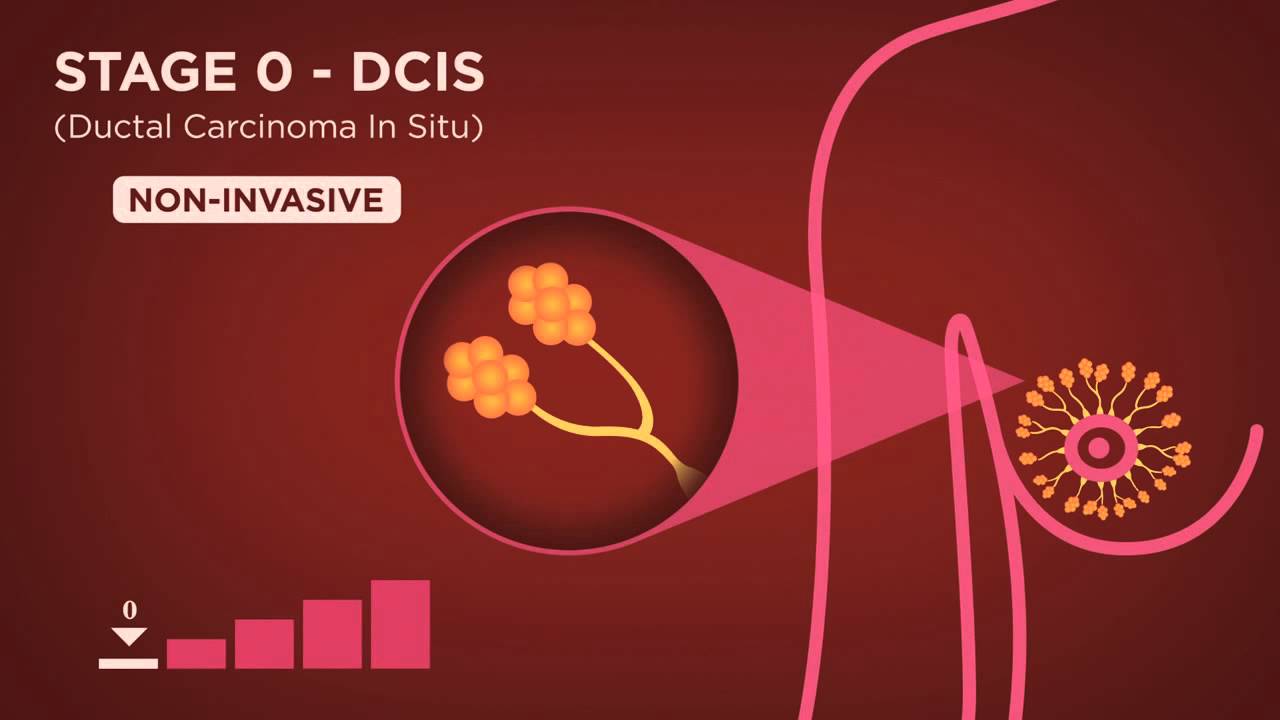
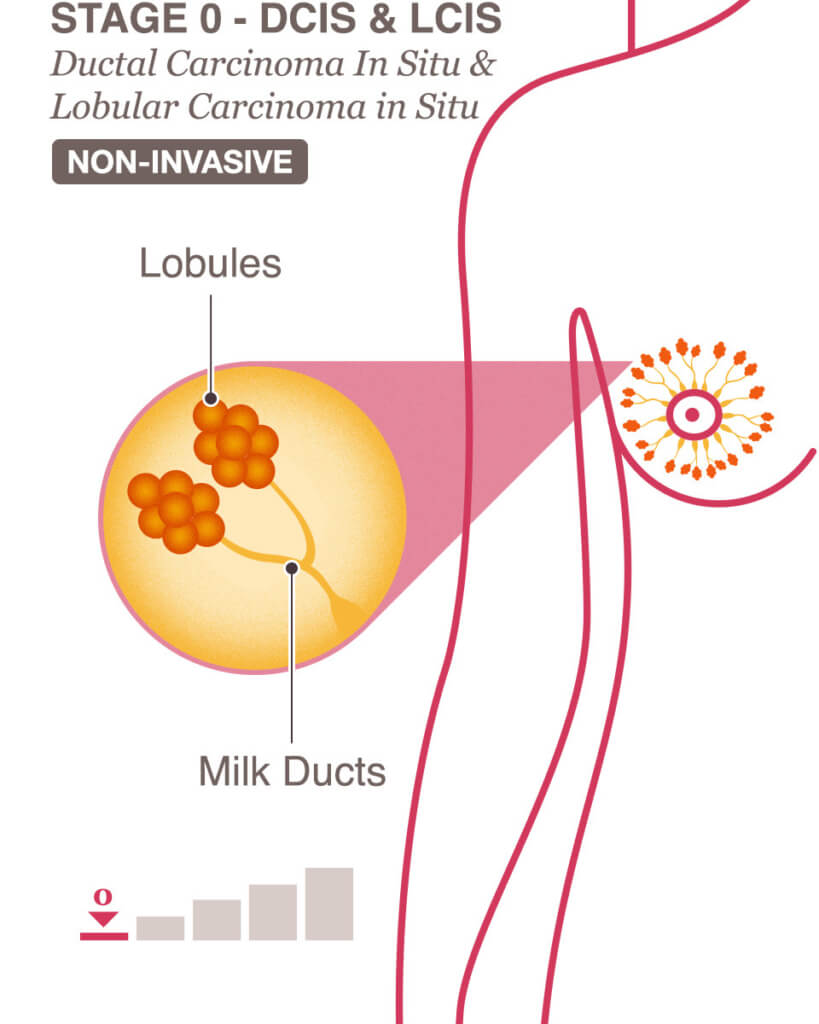
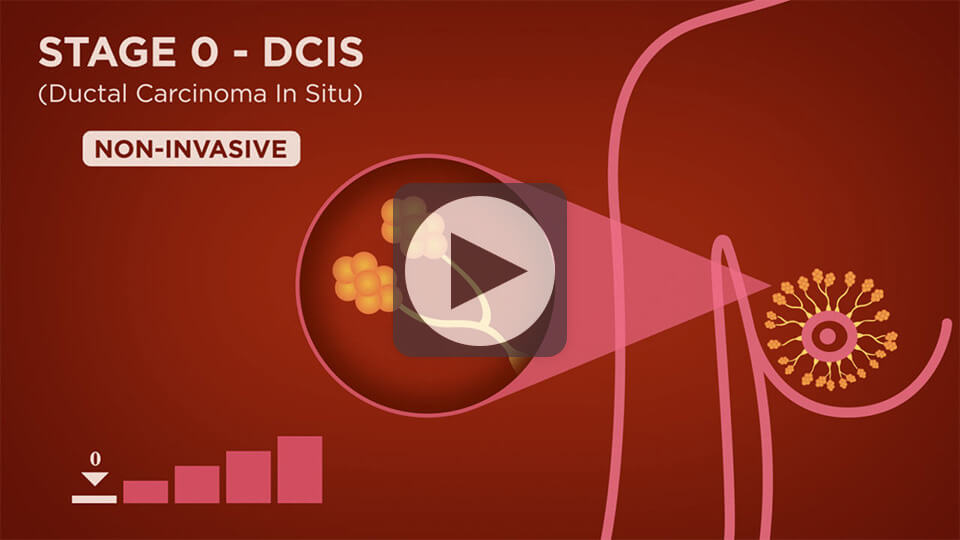
Stages 0 1 National Breast Cancer Foundation
Grading of ductal carcinoma in situ DCIS determined by size and shape of nuclei and patterning.
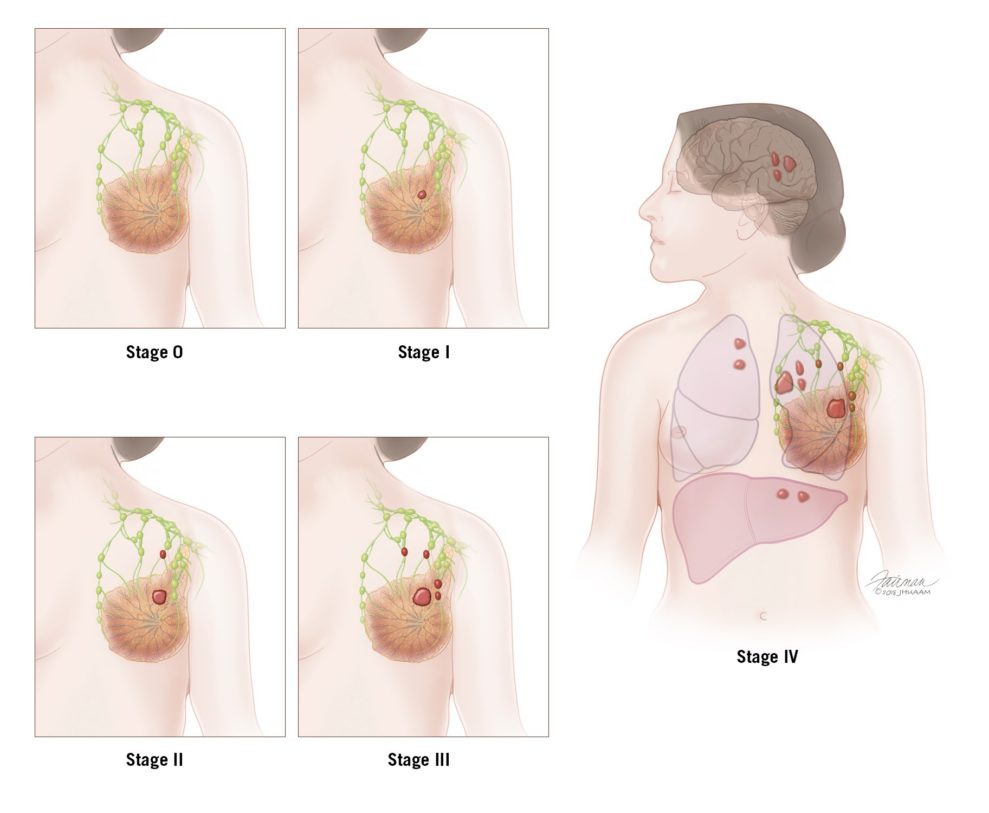
What is stage 1 invasive ductal carcinoma. What are the symptoms of DCIS. Pancreatic ductal adenocarcinoma PDAC is the most common malignancy of the pancreas. How is DCIS diagnosed.
For any carcinoma larger than 10 mm but less than 15 mm the size should not be rounded down to 10 mm but rather rounded up to 20 mm to ensure that the tumor is not miscategorized as pT1mi. It can be commonly identified as a higher stage cancer. Stage 4 is a metastatic cancer.
DCIS ductal carcinoma in situ is a non-invasive breast cancer. Can DCIS develop into invasive breast cancer. Other biliary tract cancers include gallbladder cancer and cancer of the ampulla of Vater.
How is DCIS graded. Ductal means that the cancer starts inside the milk ducts carcinoma refers to any cancer that begins in the skin or other tissues including breast tissue that cover or line the internal organs and in situ means in its original place. Are there any additional adjuvant treatments.
In some cases the tumor can have features of both and are called mixed ductal and lobular carcinoma. About 1 in 5 new breast cancers will be ductal carcinoma in situ DCIS. Cholangiocarcinoma also known as bile duct cancer is a type of cancer that forms in the bile ducts.
All DCIS is considered stage 0 breast cancer or the earliest stage possible. Breast cancer at this stage is invasive but it remains small and near the primary site. Invasive lobular carcinoma is known for being a slow growing tumor usually grade I or II.
Stage 1A involves tumors that are 2. Stages 13 are within the breast or regional lymph nodes. DCIS is an early form of breast cancer.
Nearly all women with this early stage of breast cancer can be cured. Lobular carcinoma starts in the lobules of the breast where breast milk is produced. Sometimes invasive lobular breast cancer can be larger than it appears to be when reviewing a mammogram because of the way it grows.
In general there is not a significant different prognosis between invasive lobular and invasive ductal adenocarcinoma of the breast. Over 80 of the time invasive lobular breast cancer is ER and HER2-. In DCIS the abnormal cells are contained in the milk ducts canals that carry milk from the lobules to the nipple openings during breastfeeding.
Coping with a diagnosis of DCIS. Symptoms of cholangiocarcinoma may include abdominal pain yellowish skin weight loss generalized itching and fever. Ductal carcinoma in situ is a form of stage 0 breast cancer.
Exception to the size rule if two histologically similar carcinomas are. Stage 3 cancer means the breast cancer has extended to beyond the immediate region of the tumor and may have invaded nearby lymph nodes and muscles but has not spread to distant organs. The two major patterns seen in breast carcinoma are ductal carcinoma or lobular carcinoma.
Complete surgical removal of the tumor remains the only chance for cure however 80-90 of patients have disease that is surgically incurable at the time of clinical presentation 15. Ductal carcinoma can remain within the ducts as a noninvasive cancer ductal carcinoma in situ or it can break out of the ducts invasive ductal carcinoma. Stage 0 is a pre-cancerous or marker condition either ductal carcinoma in situ DCIS or lobular carcinoma in situ LCIS.
It may also be called infiltrating ductal carcinoma invasive carcinoma of no special type or invasive carcinoma not otherwise specified. Although this stage is considered to be advanced there are a growing number of effective treatment options. Ductal carcinoma in situ DCIS is non-invasive breast cancer.
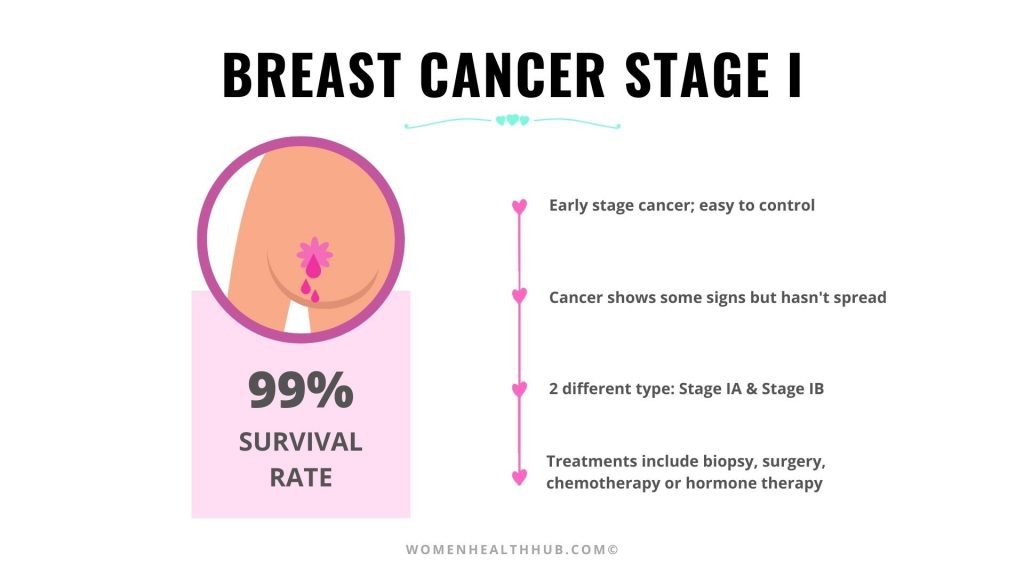
DCIS is a non-invasive or pre-invasive breast cancer. IV 143 Breast Dis 202039119. If invasive carcinoma is present in the underlying breast prognosis depends on tumor size and lymph node status with the 5 year relative survival rate declining with increasing tumor stage stage I 958.
How is DCIS treated. What is DCIS ductal carcinoma in situ. When it breaks out of the lobules its considered invasive lobular carcinoma.
DCIS is also called intraductal carcinoma or stage 0 breast cancer. Once DCIS as an early stage cancer is confirmed it may be given a specific DCIS grade based upon the particular kinds of cells which are growing the characteristics of their nuclei and their growth patterns. PDAC is an aggressive and difficult malignancy to treat.

How Serious Is Invasive Ductal Carcinoma
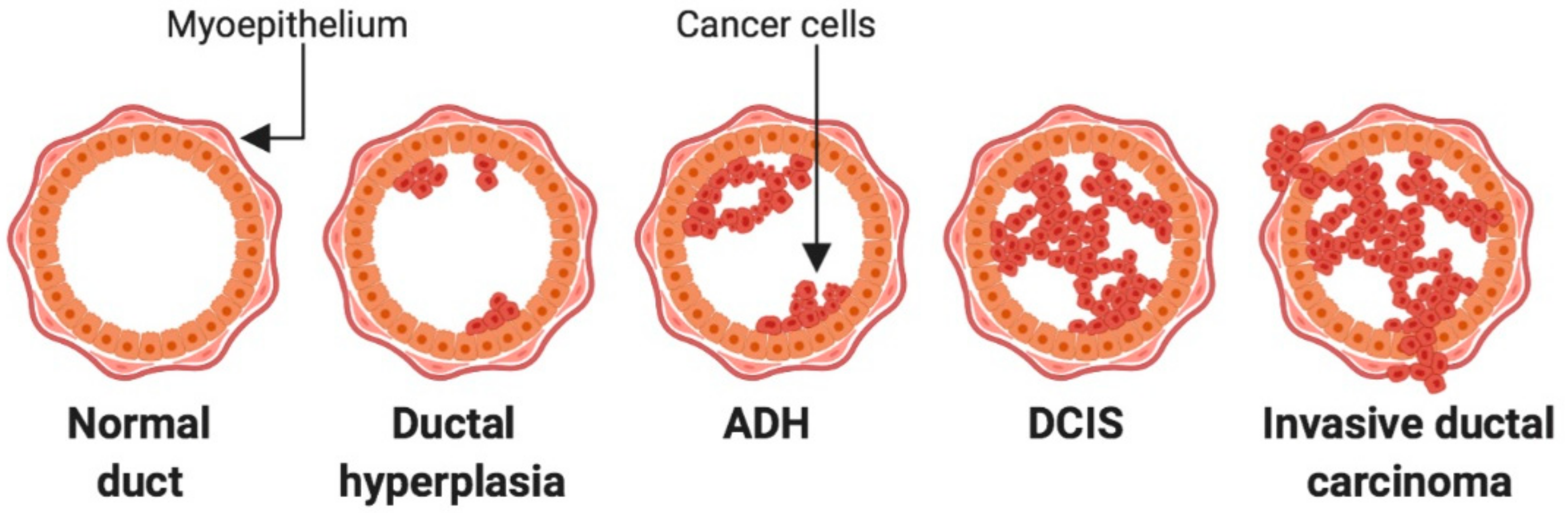
Cancers Free Full Text The Immune Microenvironment Of Breast Cancer Progression Html
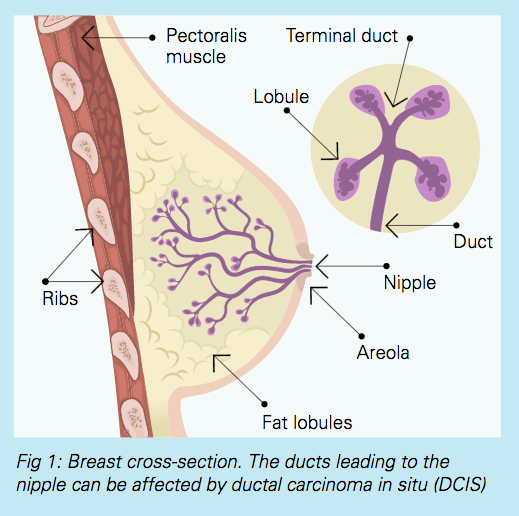
Ductal Carcinoma In Situ Dcis Fact Sheet Westmead Bci
Stages 0 1 National Breast Cancer Foundation

Patient With A 10 Mm Grade 1 Invasive Ductal Carcinoma In A Download Scientific Diagram
Stages 0 1 National Breast Cancer Foundation

Breast Cancer Facts Seattle Cancer Care Alliance

The Stages Of Breast Cancer What You Need To Know Everyday Health

Invasive Ductal Carcinoma Of The Breast Mypathologyreport Ca
Breast Ductal Carcinoma

Everything About 5 Stages Of Breast Cancer With Treatments
Staging Grade Breast Pathology Johns Hopkins Pathology

Patient With A 2 8 Cm Grade 3 Invasive Ductal Carcinoma In The Right Download Scientific Diagram

Breast Cancer Information Overview My Breast Cancer Coach
Stages 0 1 National Breast Cancer Foundation

Invasive Ductal Carcinoma Of The Breast Mypathologyreport Ca

Stage 1 Breast Cancer Cancer Research Uk
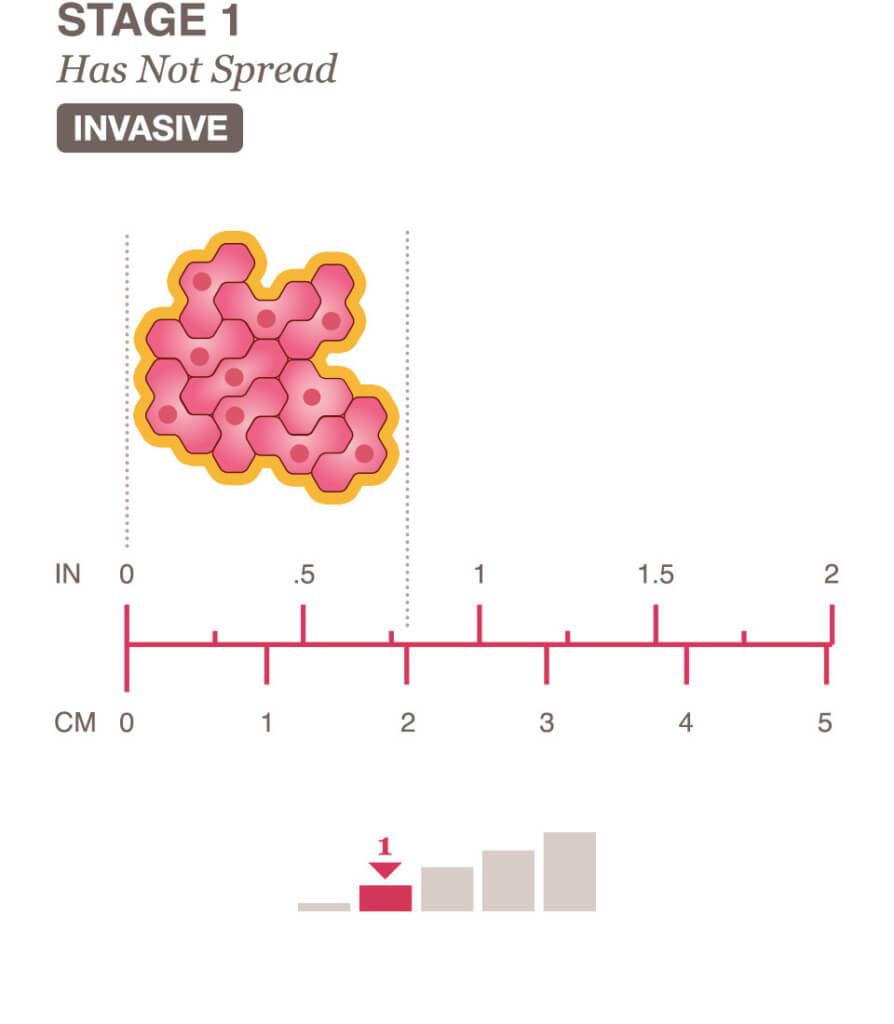
Stages 0 1 National Breast Cancer Foundation
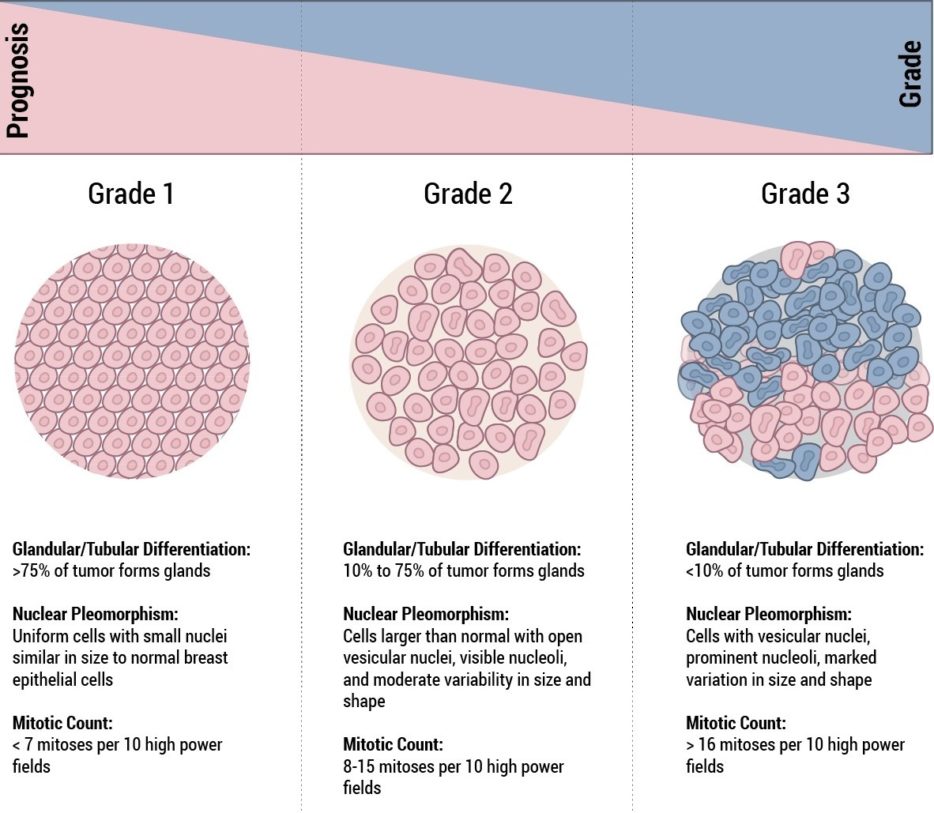
Staging Grade Breast Pathology Johns Hopkins Pathology